
Do You Need a License for a Vending Machine? The Honest Checklist
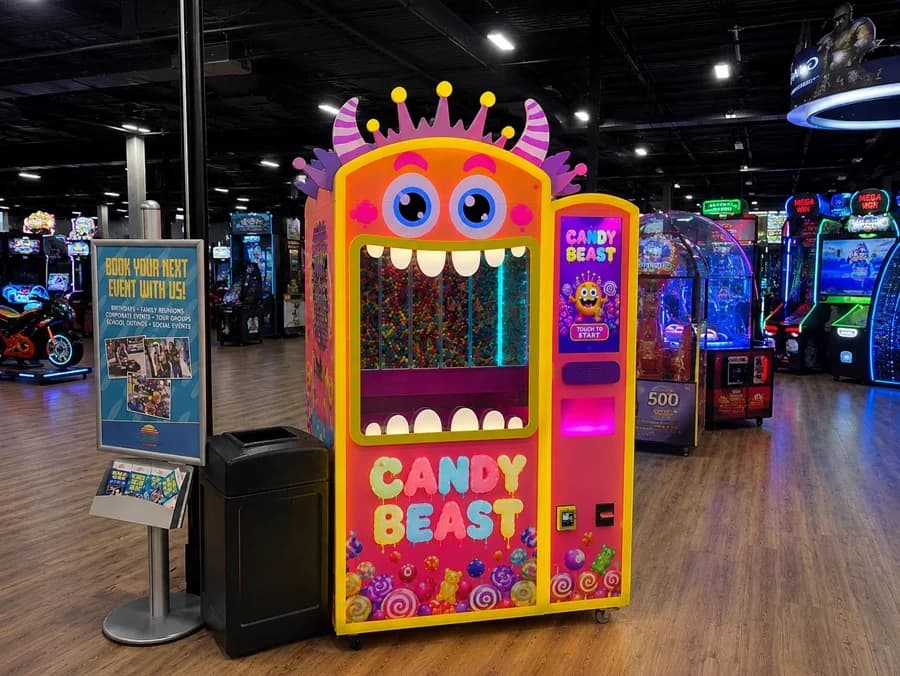
In most countries you need two registrations, not a vending licence: a registered business and a sales tax or VAT number. The machine itself almost never needs its own permit. The extra layer appears the moment your machine prepares food instead of handing over a sealed package. Across the Futureino lineup, seven machines prepare product to order and every other one only dispenses. Everything else on the list is either a contract with your venue or a local rule that applies because the machine sits on public land.
One caveat before anything else. Rules genuinely differ by country, by state, and sometimes by the city block. Nothing below is legal advice, and the last section tells you exactly who to phone to confirm it.
The short answer, and what it usually is not
People search for a "vending machine license" expecting a single document with that name printed on it. In most jurisdictions that document does not exist. What exists is the ordinary paperwork of selling things: an entity that is allowed to trade, and a tax number that lets you collect and remit tax on what it sells.
A small number of cities do run per-machine schemes, normally a decal fixed to the cabinet and renewed each year for a modest fee. They are the exception rather than the rule, and they are cheap. The expensive mistakes are elsewhere.
The five things that actually get asked for
After several thousand machine shipments into 30-plus countries, the same short list keeps coming back from operators. Not every row applies to every buyer, but almost every buyer needs at least the first two.
| Requirement | Who issues it | When it applies |
|---|---|---|
| Business registration | National or state company registry | Almost always. You are trading, so you need something to trade as. |
| Sales tax, VAT or GST number | Tax authority | Almost always, because vended goods are taxable retail sales |
| Written placement agreement | The venue owner, not a government body | Every private-property install. Not a permit, and the one people forget. |
| Food business registration or health permit | Local health department or food safety agency | When the machine prepares, portions, or exposes food |
| Public-space or street-trading permit | City, municipality, transit or airport authority | Only when the machine sits on land the public owns or controls |
The two that are nearly universal
Business registration and a tax number are the foundation, and they are worth doing before you order hardware rather than after. A registered entity is what the factory invoices, what customs clears the shipment against, and what the venue signs its agreement with. Ordering a machine into a personal name and then incorporating later means re-issuing documents that have already been filed.
The tax number matters for a second reason that is specific to vending. Your machines sell in small amounts, many times a day, without a human at the till. Tax authorities treat that as a category worth checking, and the check is arithmetic: they compare declared revenue against whatever record exists of actual sales.
The permission everyone forgets
The most common reason a machine sits in a warehouse instead of earning is not a missing licence. It is a venue that verbally agreed and then changed its mind, or a mall operations manager who was never told. A written placement agreement is not government paperwork, but functionally it is the permit that matters most.
Get four things in writing: the exact spot, who pays for the electricity, the term and how either side ends it, and who is liable if the machine is damaged. We see this go wrong in mall installs more than anywhere else, usually because the deal was agreed with a tenant while the machine is standing on common-area floor that the tenant does not control. Our guide on where to put a vending machine covers how to structure those conversations, and the vending machine business model breakdown explains how rent and revenue-share deals compare.
Which machines trigger food rules
This is the part we can speak to with real authority, because we designed the food path in every one of these cabinets. Health departments care about one question: does product leave its packaging inside your machine? Sort the lineup that way and the regulatory picture becomes obvious.
| Machine category | Prepares food? | What is typically asked for |
|---|---|---|
| Cotton Candy Robot, Cotton Candy Truck, Popcorn Bot, ChocoArt, ChocoArt MP, Boost Beverage Bar, Boost Protein Shake Bar | Yes, made to order from bulk ingredients | Food business registration, a named food-safety responsible person, health inspection, food-contact material declarations, cleaning records |
| Candy Beast, Lucky Candy | No cooking, but unwrapped candy is portioned into an open cup | Usually treated as food handling even though nothing is cooked. Expect the same registration, lighter inspection. |
| Ice Cream Truck, Mega Can | No, sealed goods held at temperature | Retail food sale plus cold-chain rules: holding temperature and, in some markets, a temperature log |
| Snacks Bot, Lucky Blind Box | No, factory-sealed packages only | Business registration and sales tax. Ambient packaged goods are ordinary retail almost everywhere. |
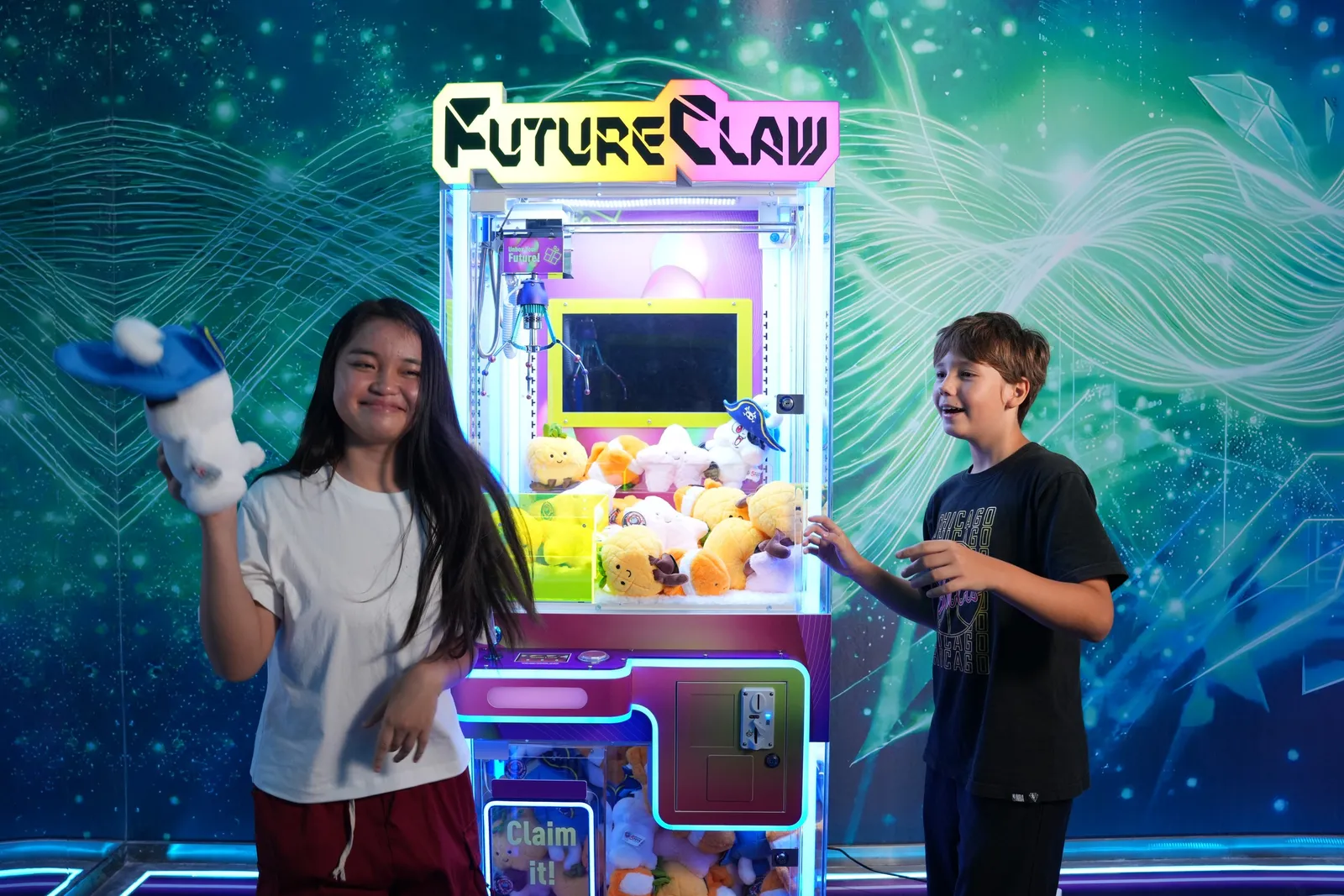
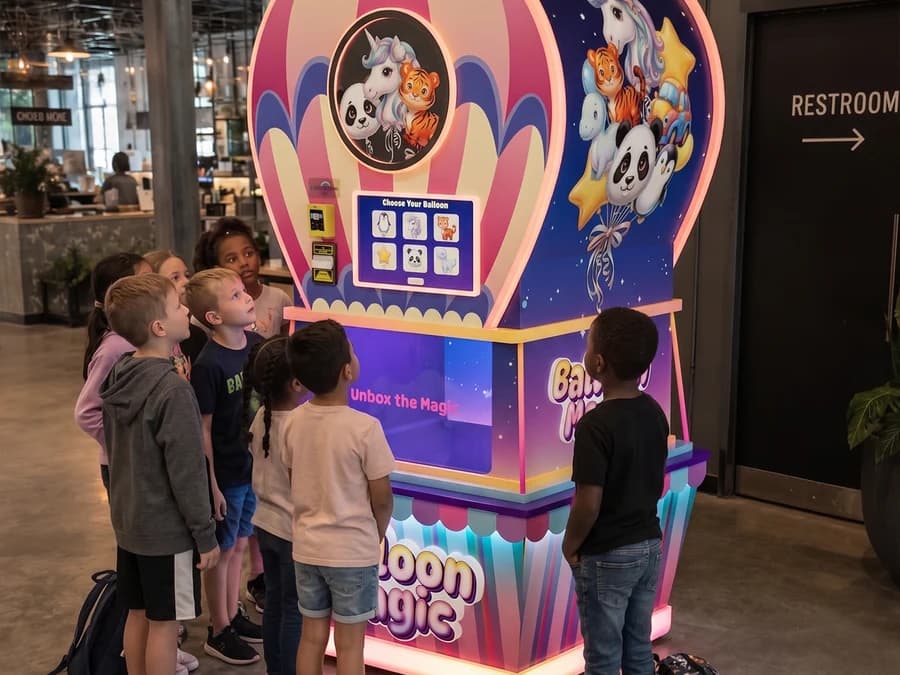
| FutureClaw, Candy Palace, Perfume Station, Balloon Magic, AI Photo Booth, Massage Chair | No, non-food or prize dispensing | Business registration and sales tax. Some cities license amusement or prize machines separately. |
One nuance worth knowing before you pick a machine. Prize and amusement machines are regulated in some places under gaming or amusement rules rather than food rules, particularly where a prize has cash value. It is a different department and a different form, and it applies to claw machines and pushers rather than to anything that dispenses a fixed product. Browse the full robotic vending machine range and you can place any model you are considering into one of the five rows above.
What the factory ships with the machine
Import paperwork is the one area where we control the outcome, and it is worth knowing what arrives with the crate. Every export shipment from our Guangzhou plant carries a commercial invoice, a packing list, and a certificate of origin. Customs will not release a container without those three, whatever your local licences say.
On request we also provide conformity documentation in the CE style for markets that require it, electrical drawings showing the voltage and rated draw, and food-contact material declarations for the parts in the food path: hoppers, canisters, tubing, nozzles, and collection bowls. That last document is the one a health inspector asks for on a food-preparing machine, and it is far easier to receive it with the shipment than to chase it eighteen months later. Ask for the document pack at quote stage, in the language your authority reads.
Cashless changes the tax conversation
Every machine we build runs on card and QR payments. There is no coin mechanism and no cash box, and that changes what an inspector asks you for. The old vending audit was about undeclared coins, so it focused on counters, keys, and who emptied the machine. None of that exists here.
What exists instead is a timestamped record of every single sale sitting in your payment processor. That cuts both ways. It removes any argument about what the machine took, and it removes any room to be casual about filings, because the number is already written down somewhere you do not control. Operators who keep their declared revenue matched to the processor export tend to have very short inspections.
Machines outside on public land
Everything above assumes your machine stands on private property with an owner who can say yes. Move it to a pavement, a park, a station concourse, or an airport terminal and a separate authority enters the picture. That is where genuine permits live: street trading consent, a concession agreement, sometimes a tender process with a fixed term.
Local rules on signage, illuminated displays, obstruction of a footway, and opening hours can all apply to an unattended machine in public space. Weather protection and vandalism also become your problem rather than the venue's, which is covered in our notes on vending machine maintenance. For a first machine, indoor private property is almost always the faster route to revenue.
How to confirm this for your own city
Three phone calls settle it, and they take under an hour in total.
- Your city or municipal business licensing office. Ask one precise question: does an unattended retail machine require its own registration here, or only a business licence for the operator?
- Your local health or food safety department. Only if your machine prepares food. Describe what actually happens inside it: bulk sugar spun into floss, powder mixed with water, chocolate deposited from a heated head.
- Your accountant or tax office. Confirm which tax rate applies to your product category and whether vended sales are treated differently from counter sales.
Put the answers in your vending machine business plan before you pay a deposit, not after the crate arrives. Licensing rarely kills a vending business, but discovering a requirement while a machine sits idle in a bonded warehouse is an expensive way to learn it.
Permits are not the only paperwork. For imported machines, see who is liable for CE, UL and FCC.
Frequently Asked Questions
Does the vending machine itself need to be licensed?
In most places, no. The licence attaches to you as the seller, not to the cabinet. A handful of cities do run a per-machine sticker or decal scheme, usually a small annual fee tied to the serial number. Ask your city clerk whether machine registration exists locally before you assume it does not.
Do I need a food licence for a vending machine?
Only if food or drink is exposed to the machine before the customer gets it. A cabinet that hands over a sealed bag of crisps is retail. A machine that spins floss, pops corn, or mixes a shake is food handling in the eyes of most health departments, and that usually means a food business registration plus an inspection.
Can I put a vending machine anywhere I want?
No, and this is where most first-time operators trip. On private property you need the owner's written permission, which is a contract rather than a licence. On a pavement, a park, a transit platform, or any public land you need the authority that controls that land to grant you a placement or street-trading permit.
What documents does Futureino ship with a machine?
Every export shipment carries a commercial invoice, a packing list, and a certificate of origin, because customs will not release the crate without them. On request we also supply conformity documentation, machine drawings with the electrical rating, and food-contact material declarations for the parts that touch product.
How do tax authorities check a vending machine business?
They look for a gap between what your machines sold and what you declared. Our machines are cashless with no coin mechanism, so every transaction leaves a timestamped record in your payment processor. That record is the audit trail, which makes the conversation short if your filings match it.
Is a limited company better than a sole trader for vending?
That is a question for your accountant, not your machine supplier. What matters operationally is that whichever entity you register is the one named on the sales tax number, the placement agreement, and the import paperwork. Mismatched names across those three documents cause more delays than any licence application.
Know which machine you are actually licensing
See the full lineup with specs, food-path details, and factory pricing, or tell us your market and we will send the document pack your customs and health authorities will ask for.